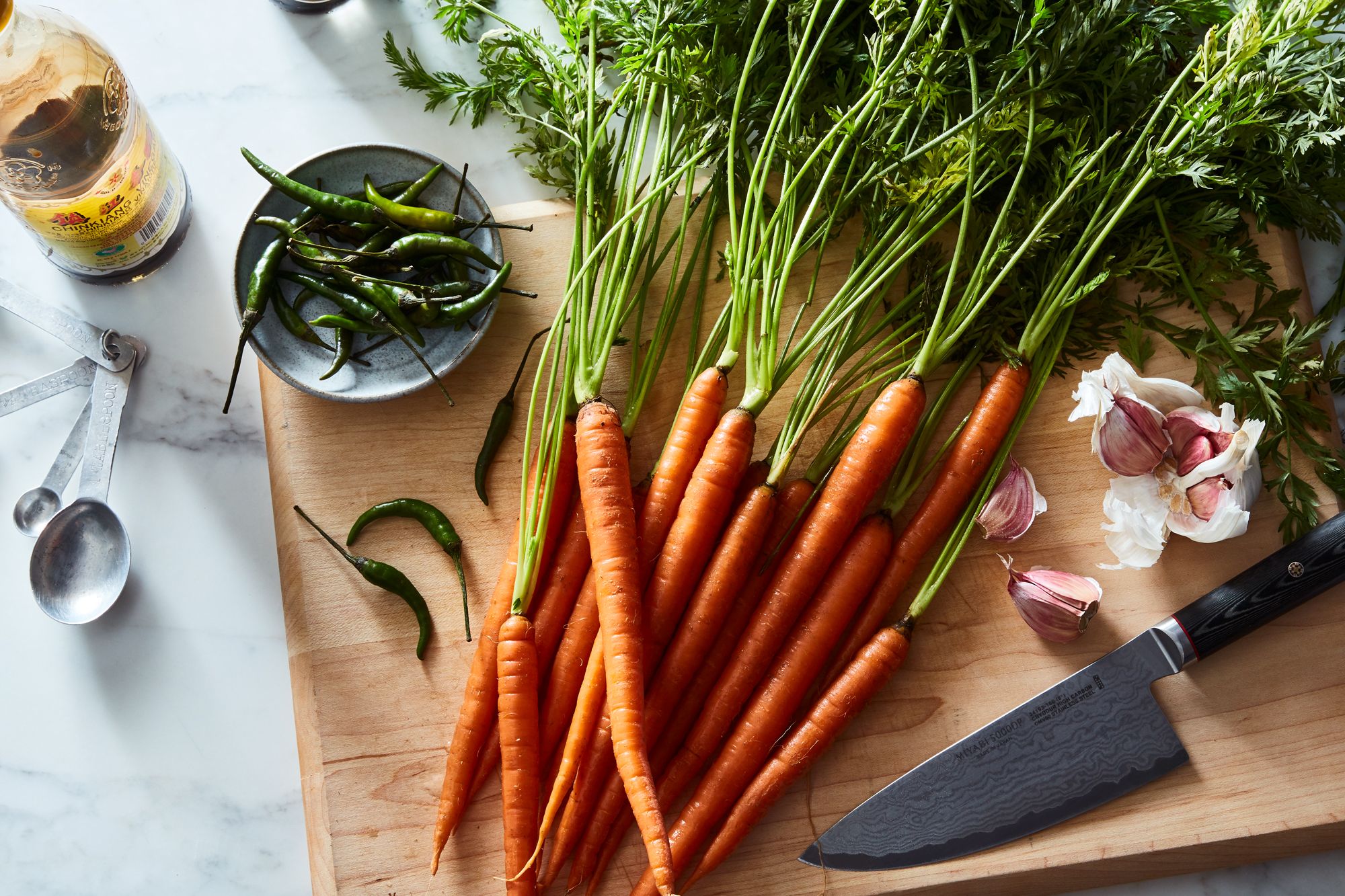
Carrots are a kitchen staple, beloved for their crisp texture, vibrant color, and sweet, earthy flavor. From crunchy snacks to hearty stews, they're incredibly versatile. However, like many fresh vegetables, carrots have a shelf life that can be frustratingly short if they're not stored correctly. Soft, rubbery, or even slimy carrots are a common sight in many fridges, leading to unnecessary food waste and missed culinary opportunities.
The good news is that with a few simple yet effective techniques, you can significantly extend the life of your carrots, keeping them fresh and crisp for weeks or even months. Understanding how to store carrots for months involves considering both common refrigerator methods and traditional long-term solutions like root cellars. This comprehensive guide will equip you with the knowledge to maximize your carrot’s freshness, ensuring you always have a firm, flavorful root vegetable ready for your next meal.
The Importance of Proper Carrot Storage: More Than Just Freshness
Storing carrots correctly goes beyond just avoiding that dreaded sliminess. It's about preserving their nutritional value, maintaining their delicious texture, and ultimately, reducing food waste. While a slightly soft carrot isn't necessarily "bad" – it just means it's lost some moisture – a slimy one is a clear indicator that spoilage has begun and it's time to discard it. By implementing smart storage strategies, you protect your investment in wholesome food and contribute to a more sustainable kitchen.
Carrots are a hardy taproot, designed by nature to store energy and moisture underground. This innate resilience makes them excellent candidates for extended storage, provided we mimic the conditions they thrive in. Neglecting proper storage can lead to rapid dehydration, nutrient loss, and the development of off-flavors. Learning these techniques will ensure your carrots remain a source of crisp, nutritious goodness for much longer than you might expect.
Preparing Carrots for Storage: The Crucial First Steps
Before you even think about where your carrots will spend their dormancy, proper preparation is key. These initial steps are vital for both short-term refrigeration and long-term root cellar methods.
Remove the Greens (Tops) Immediately
This is arguably the most critical first step. If your carrots come with their leafy green tops still attached, cut them off as soon as possible. Here’s why:
- Moisture Drain: The green tops, even after harvest, continue to draw moisture and nutrients from the root (the carrot we eat) through a process called transpiration. This will quickly leave your carrots dried out, limp, and rubbery.
- Extended Freshness: By separating the greens, you effectively "deactivate" this moisture-sapping mechanism, allowing the carrot root to retain its crispness and hydration for much longer.
Don't just toss those greens, though! They're edible and surprisingly versatile. Use them to make homemade vegetable broth, blend them into a pesto, or even sauté them lightly for a unique side dish. For more insights on this, check out our guide on Carrot Storage Secrets: Cut Tops, Skip Washing, Stay Fresh for Months.
Resist the Urge to Wash (Mostly)
While good hygiene is important for food, washing carrots before storing them is a common mistake that can actually accelerate spoilage. The extra moisture trapped on the surface of the carrot creates an ideal environment for mold and bacterial growth, especially in long-term storage scenarios. An exception can be made if your carrots are heavily caked in mud directly from the garden – in this case, a quick, gentle rinse and *thorough drying* (pat dry with a towel, then air dry completely) is acceptable if you plan to use them relatively soon. However, for maximum longevity, avoid washing until you're ready to use them.
Mind Your Neighbors: Avoid Ethylene Producers
Ethylene gas is a natural plant hormone released by certain fruits and vegetables that acts as a ripening agent. While useful for ripening some produce, it can prematurely age and spoil others. Carrots are sensitive to ethylene gas, so avoid storing them near high-ethylene producers like apples, pears, bananas, and tomatoes. Keeping them separate will help prevent early softening and spoilage.
Short-to-Medium Term Storage: The Refrigerator Method
For most households, the refrigerator is the primary storage solution. While not as long-lasting as a root cellar, the right refrigeration technique can keep carrots fresh for weeks.
The Submerged Water Method: Your Refrigerator's Best Friend
This method is highly effective for keeping carrots crisp and fresh in your fridge for up to a month, sometimes even longer. It addresses the carrot's primary enemy in the refrigerator: dehydration.
- Prep: Ensure carrot tops are removed and carrots are unwashed.
- Container: Choose an airtight container, such as a glass jar, a resealable plastic container, or even a large Ziploc bag.
- Submerge: Place the carrots inside the container and completely cover them with cold water.
- Seal & Chill: Seal the container with a lid and place it in the crisper drawer of your refrigerator.
Pro Tip: Change the water every few days (or if it starts to look cloudy) to keep it fresh and inhibit bacterial growth. This method works equally well for store-bought whole carrots and even baby carrots, keeping them crunchy and vibrant.
Alternative Refrigerator Storage (Less Ideal for Extended Periods)
- Crisper Drawer (Dry): If you don't want to use the water method, you can store unwashed, de-topped carrots in your refrigerator's crisper drawer. For best results, place them in a loosely sealed plastic bag or wrapped in a damp paper towel to provide some humidity. They'll last about 2-3 weeks this way, but are more prone to drying out.
- Perforated Plastic Bags: Some grocery stores package carrots in perforated plastic bags. These can work, but the holes are often insufficient to prevent moisture buildup or dehydration effectively for truly long-term storage.
Be mindful of your refrigerator's temperature. Inconsistent temperatures or areas that get too cold can sometimes cause frostbite on vegetables, making them mushy. Aim for a consistent cold, but not freezing, environment.
Long-Term Storage: Embracing the Root Cellar (or its Alternatives)
If you've harvested a large bounty of carrots from your garden or purchased them in bulk, a root cellar (or a suitable alternative) offers the most impressive long-term storage solution, keeping carrots fresh for five to six months.
The Root Cellar Advantage
A true root cellar provides a cool, dark, and consistently humid environment – conditions that closely mimic the underground where carrots naturally thrive. This prevents dehydration without encouraging mold.
The Root Cellar Method for Carrots
- Preparation is Key: Begin with unwashed carrots from which the tops have been completely removed. Any remaining dirt will help protect them, but excess moisture will invite rot.
- Choose Your Packing Material: The goal is to provide a slightly moist, insulating barrier. Excellent choices include:
- Moist Sand: Slightly damp (not wet) sand is traditional and highly effective.
- Sawdust: Clean, untreated sawdust (from hardwoods is often preferred) works well.
- Leaves: Dried, clean leaves (like oak or maple) can also be used.
- Peat Moss or Wood Shavings: Other viable options that provide similar benefits.
- Layer and Pack: In a sturdy bucket, bin, or wooden crate with a lid, place a layer of your chosen packing material. Then, arrange a single layer of carrots on top, ensuring they don't touch each other. Cover them with another layer of packing material, then repeat the process until the container is full.
- Seal & Store: Place a lid on the container (or cover it to protect from light and pests) and store it in your root cellar or chosen cool, dark location.
Longevity: Carrots stored this way can remain crisp and fresh for 5-6 months, making them perfect for enjoying fresh garden produce throughout the winter.
Root Cellar Alternatives for Homeowners
Don't have a dedicated root cellar? Many homes have suitable spots that can mimic root cellar conditions:
- Unheated Basement Corner: A cool, dark corner of an unheated basement, away from heat sources, can be ideal.
- Garage or Shed: If your garage or shed remains consistently cool (above freezing but below 50°F / 10°C) and relatively humid, it can serve as a temporary root cellar. Ensure it's pest-proof.
- Crawl Space: A clean, accessible crawl space might also offer the right conditions.
The key is a stable, cool temperature (ideally 35-40°F / 1-4°C) and high humidity (around 90-95%) without being overtly wet.
Troubleshooting and Best Practices for Carrot Longevity
Even with the best storage methods, sometimes things go awry. Here are some extra tips to ensure you’re always dealing with crisp, delicious carrots.
Reviving Limp Carrots
If you find your carrots have gone a bit limp and lost their snap, don't despair! They're usually still perfectly good. You can often revive them by placing them in a bowl of ice water for 30 minutes to an hour. They will rehydrate and regain much of their original crispness, ready for use.
When to Wash (and Peel) Carrots
As emphasized earlier, always wash your carrots thoroughly right before you plan to use them. Whether they've been stored in water in the fridge or packed in sand in a root cellar, a good scrub under running water is essential to remove any dirt, debris, or potential surface bacteria. Peel them only if the recipe calls for it or if the skin is damaged; the skin contains valuable nutrients.
Monitor and Inspect Regularly
Especially for long-term storage, periodically check your carrots for any signs of spoilage, such as mold, excessive softness, or slime. Remove any affected carrots immediately to prevent the issue from spreading to the others.
By implementing these strategies, you'll not only extend the life of your carrots but also contribute to a more efficient and less wasteful kitchen. Whether you prefer the convenience of refrigerator storage or the impressive longevity of a root cellar, knowing how to store carrots for months will keep your culinary adventures vibrant and fresh.
