Carrot Storage Secrets: Cut Tops, Skip Washing, Stay Fresh for Months
Are you tired of reaching into your refrigerator only to find your once vibrant carrots limp, rubbery, or worse, slimy? It's a common kitchen frustration, but one that's easily preventable with the right techniques. Carrots, those humble root vegetables packed with nutrients and versatility, are surprisingly hardy. Yet, improper storage can quickly diminish their crispness and flavor, leading to unnecessary food waste. The good news is that with a few simple tricks, you can learnUnlock Months of Freshness: The Foundation of Carrot Storage
The journey to perfectly preserved carrots begins even before they enter your storage container. Two fundamental steps are crucial for maintaining their quality over extended periods, whether you're aiming for a few weeks or half a year. These steps address the primary culprits behind premature spoilage: moisture loss and microbial growth.Snip the Greens: A Vital First Step
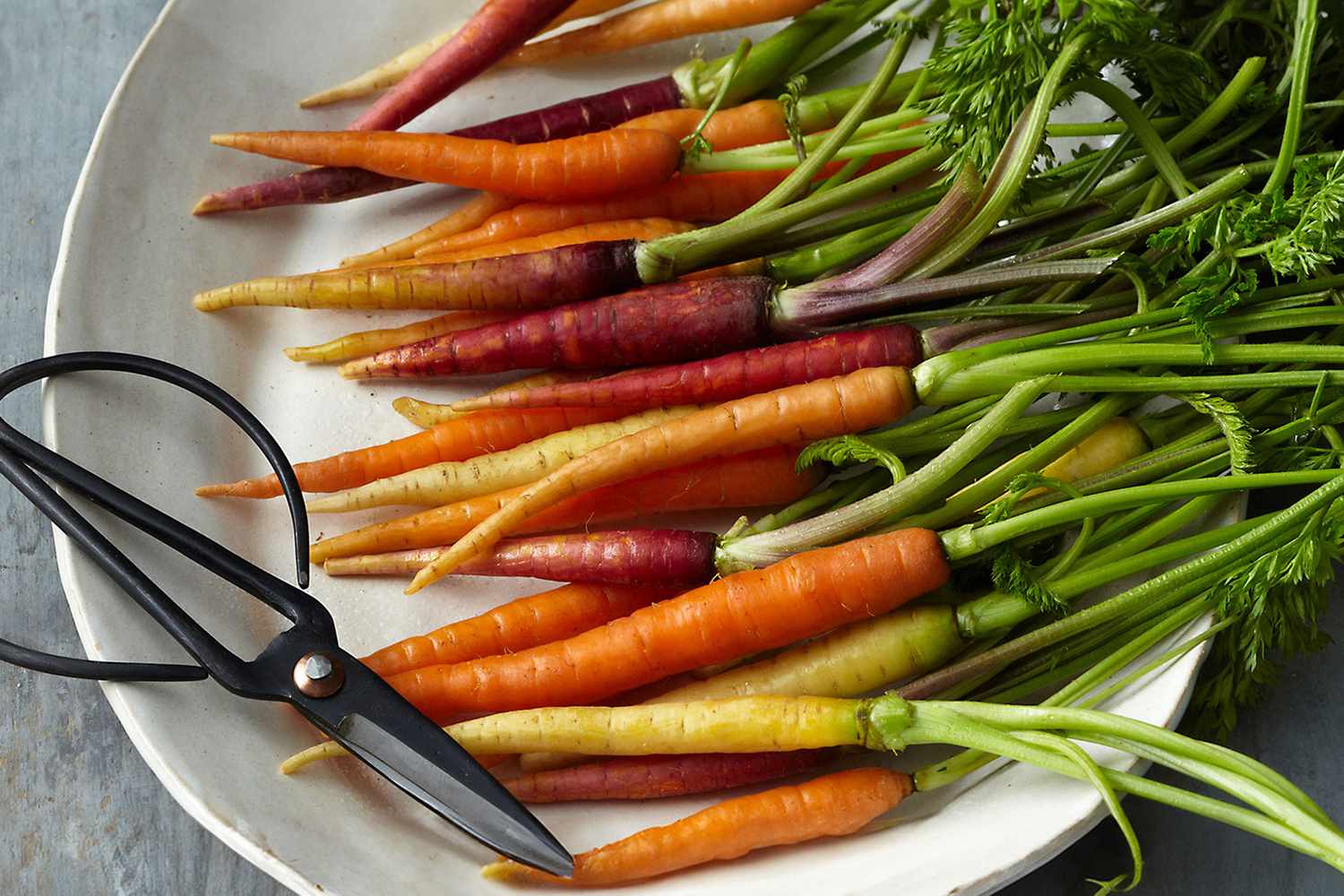
If your carrots come with their leafy green tops still attached, your very first action should be to *cut them off*. While these greens are entirely edible and can be a delightful addition to pestos, soups, or homemade vegetable broth, they are also a carrot's greatest foe when it comes to storage. The reason is simple: the greens continue to draw moisture from the carrot root even after harvest. Think of them as tiny siphons, constantly pulling hydration away from the part you want to keep crisp. This process leaves the carrot root dry, limp, and significantly reduces its shelf life. By separating the greens, you effectively "seal off" this moisture-siphoning mechanism, allowing the carrot to retain its internal hydration. Don't discard those vibrant tops! You can use them immediately or store them separately for a day or two in a damp paper towel in the fridge.Resist the Rinse: Why Unwashed is Best for Longevity
It might seem counterintuitive, butRefrigerator Reliance: Keeping Carrots Crisp for Weeks
For most households, the refrigerator is the primary storage solution for fresh produce. While it might not replicate a root cellar's conditions, you can still significantly extend the life of your carrots beyond just a few days, keeping them fresh and crisp for a month or even longer.The Water Bath Method: Crispness in the Fridge
Once the tops are removed and the carrots are unwashed, the best way to store them in the refrigerator is submerged in water. This method keeps them perfectly hydrated, mimicking the moist soil environment they were harvested from.- Choose the Right Container: Select an airtight container, such as a glass jar, a plastic food storage container, or even a large resealable bag.
- Submerge Completely: Place your clean, unwashed carrots into the container and fill it with fresh, cold water until the carrots are fully submerged.
- Seal and Store: Put a lid on the container and place it in the crisper drawer of your refrigerator.
- Change the Water: To prevent bacterial growth and keep the water fresh, change the water every 4-7 days, or immediately if it appears cloudy.
Ethylene: The Hidden Enemy of Freshness
Another critical consideration for refrigerator storage is proximity to certain fruits. Ethylene gas is a natural plant hormone released by some fruits that acts as a ripening agent. While beneficial for ripening avocados or bananas, it can be detrimental to other produce, speeding up their decay. Carrots are particularly sensitive to ethylene.Therefore, avoid storing your carrots next to high-ethylene producers such as:
- Apples
- Pears
- Bananas
- Melons
- Tomatoes
The Root Cellar Advantage: Mastering Long-Term Carrot Preservation
While refrigerator storage is excellent for a few weeks, if you're looking toEmbracing the Root Cellar Method: Nature's Refrigerator
Here’s how to do it:
- Preparation is Key: Ensure your carrots are completely unwashed and have their tops removed. If there's any excess dirt, gently brush it off, but do not rinse.
- Choose Your Medium: You'll need a packing medium that can maintain humidity without directly wetting the carrots. Excellent choices include:
- Moist Sand: This is often considered the gold standard. Slightly dampen clean play sand or builder's sand (it should be damp to the touch, not wet).
- Sawdust: Clean, untreated sawdust from non-aromatic wood works well.
- Leaves: Dry, clean leaves (like oak or maple) can also be used, though they might not hold moisture as consistently as sand.
- Layer and Pack: Find a sturdy container with a lid, such as a plastic bin, wooden crate, or bucket. Start with a layer of your chosen packing medium at the bottom. Then, arrange your carrots in a single layer, ensuring they don't touch each other. Cover them with another layer of the medium, then repeat the process until the container is full, ending with a final generous layer of the medium.
- Store in Ideal Conditions: Place the lidded container in a cool, dark place where temperatures remain consistently between 35-40°F (1-4°C) and humidity is high (around 90-95%). An unheated basement, garage, or dedicated root cellar is perfect.
A Deep Dive into the "Why": Preventing Mold and Retaining Moisture
The brilliance of packing carrots in moist sand or sawdust lies in its dual action: it provides a stable, humid atmosphere that prevents the carrots from drying out, while simultaneously preventing direct water accumulation on the root surface. This creates an environment where carrots can breathe and retain their natural moisture content without succumbing to the mold and rot that would occur if they were stored wet. The cool temperatures further slow down the metabolic processes of the carrot, essentially putting them into a state of dormancy, preserving their freshness, nutrients, and delightful crunch for many months.Troubleshooting & Maximizing Your Carrot Lifespan
Even with the best storage practices, sometimes things go awry. Knowing how to identify problems and even revive slightly tired carrots can further reduce waste.Reviving Limp Carrots & When to Say Goodbye
If you find your carrots have gone a bit limp but aren't slimy or discolored, they're likely just dehydrated. You can often revive them by giving them an ice-water bath. Simply submerge the limp carrots in a bowl of ice-cold water for 30-60 minutes. Many times, they will rehydrate and regain much of their crispness. However, there's a point of no return. While soft carrots aren't necessarily "bad," if they develop a slimy texture, an off-smell, or visible mold, it's time to discard them. Slime indicates significant bacterial growth, making them unsafe to eat.General Tips for Extending Carrot Life
- Inspect Regularly: Whether stored in the fridge or a root cellar, periodically check your carrots for any signs of spoilage. Remove any compromised carrots immediately to prevent them from affecting others.
- Consider Variety: Some carrot varieties (like Danvers or Nantes) are known for better storage qualities than others. If you grow your own, research varieties suited for long-term keeping.
- Freezing as an Alternative: While this article focuses on fresh storage, for truly extended preservation (beyond 6 months), blanching and freezing carrots is an excellent option for use in cooked dishes.
