Keep Carrots Crisp for Months: No More Slimy Surprises
There's nothing quite as disappointing as reaching into your refrigerator for a vibrant, crunchy carrot, only to pull out a limp, rubbery, or even worse – slimy – disappointment. Carrots are culinary superheroes, adding sweetness, crunch, and a wealth of nutrients to everything from stir-fries and salads to stews and baked goods. But their potential is often cut short by improper storage. If you've ever wondered *how to store carrots for months* and maintain their perfect snap, you're in the right place. Say goodbye to food waste and hello to consistently fresh, crisp carrots with these expert tips and tricks.
The Core Principles of Carrot Preservation
Understanding why carrots go bad is the first step to keeping them fresh. As hardy as these root vegetables are, they are susceptible to losing moisture, wilting, and eventually spoiling if not stored correctly.
Why Carrots Go Bad (and How to Stop It)
Carrots are essentially a taproot, designed by nature to store water and nutrients. However, once harvested, they begin to lose that stored moisture. The dreaded "soft carrot" isn't necessarily bad (it can often be rehydrated), but once it turns slimy, it's a clear sign of bacterial breakdown, and it's time to toss it. The main culprits behind spoilage are:
* **Moisture Loss:** This leads to limpness and rubberiness.
* **Excess Surface Moisture:** This creates an ideal environment for mold and rot.
* **Ethylene Gas Exposure:** This natural ripening hormone from certain fruits can prematurely age and spoil carrots.
By addressing these factors, we can significantly extend their shelf life.
The Vital First Step: Dealing with Carrot Tops
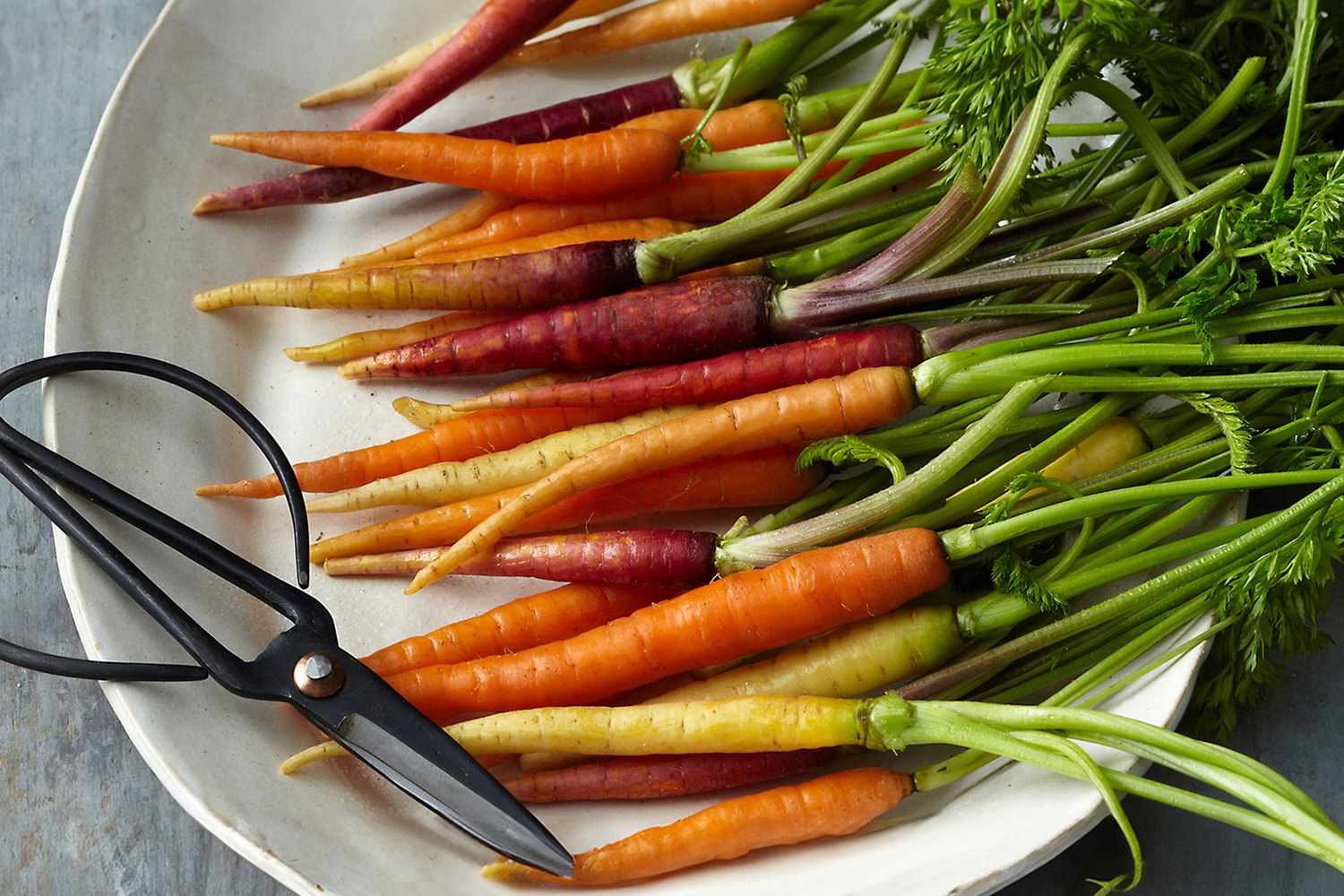
If your carrots come with their beautiful, leafy green tops still attached, the very first thing you need to do upon bringing them home is cut them off. It might seem counterintuitive, but those greens, while edible and delicious (perfect for pesto, broth, or sautéing!), continue to draw moisture and nutrients from the root after harvest. Think of them as tiny siphons, actively dehydrating your carrots even in the fridge. Separating them immediately ensures the carrot root retains its precious moisture, preventing it from becoming limp and dried out. For more in-depth advice on this and other storage hacks, check out our guide on
Carrot Storage Secrets: Cut Tops, Skip Washing, Stay Fresh for Months.
To Wash or Not to Wash? The Pre-Storage Dilemma
Here's a crucial rule of thumb: **Do not wash your carrots before storing them.** Unless they are absolutely caked in mud from your garden and would make a colossal mess, resist the urge to rinse them off. The reason is simple: any residual moisture trapped on the surface of the carrot invites mold growth and can accelerate spoilage. You want to keep the carrots as dry as possible externally before storage. Plan to wash, scrub, and peel your carrots *just before* you're ready to use them.
Short-Term Storage Solutions: Keeping Carrots Crisp in Your Refrigerator
For most home cooks, the refrigerator is the primary storage spot for carrots. With a few simple adjustments, you can keep them perfectly crisp for weeks.
The Water Immersion Method
This is arguably the most effective and popular method for keeping fresh, unpeeled carrots vibrant for an extended period in the fridge.
1. **Prepare:** Ensure the green tops are removed. Do *not* wash the carrots.
2. **Submerge:** Place the carrots in an airtight container or a large jar.
3. **Cover:** Fill the container with cold water, completely submerging the carrots.
4. **Seal & Chill:** Place a lid on the container and store it in the crisper drawer of your refrigerator.
**Why it works:** The water keeps the carrots hydrated, preventing moisture loss and maintaining their crisp texture.
**Duration:** Fresh carrots stored this way can remain good for around a month, sometimes even longer. This method also works wonderfully for store-bought baby carrots, keeping them from turning slimy prematurely. Remember to change the water every few days if it starts to look cloudy.
The Ethylene Gas Warning
One often-overlooked aspect of refrigerator storage is the company your carrots keep. Certain fruits, notably apples and pears, release ethylene gas as they ripen. This natural plant hormone acts as a ripening agent for other produce. While great for avocados, it's detrimental to carrots, causing them to mature and rot much faster than they should. Always store your carrots away from ethylene-producing fruits to avoid premature spoilage.
Troubleshooting Common Fridge Issues
Even with the best intentions, refrigerators can be tricky. Issues like inconsistent temperatures or even accidental freezing (as one source shared, only good for a teething puppy!) can impact carrot quality.
* **Crisper Drawer Power:** Utilize your refrigerator's crisper drawer. These are designed to maintain a higher humidity level, which is ideal for root vegetables like carrots.
* **Temperature Consistency:** Try to maintain a consistent cold temperature in your fridge. Avoid overpacking, which can impede air circulation and create warm spots.
Long-Term Storage Mastery: How to Store Carrots for Months (and Beyond!)
If you buy carrots in bulk, grow your own, or simply want to be prepared, long-term storage methods can extend their freshness for half a year or more. These techniques emulate the natural conditions of a root cellar, a concept explored further in our article
Store Carrots for Months: Root Cellar vs. Refrigerator Tips.
Emulating Nature's Root Cellar
Traditional root cellars offer a cool, dark, and moderately humid environment – perfect for many root vegetables. If you don't have a dedicated root cellar, you can replicate these conditions in a cool basement, garage, or even an unheated pantry. The key is stable temperatures, ideally between 35-40°F (1-4°C), and relatively high humidity without direct moisture on the vegetable surface.
The Sand, Sawdust, or Leaf Pack Method
This method is the gold standard for how to store carrots for months, keeping them fresh and crisp for up to five to six months.
1. **Preparation is Key:**
* **No Washing:** Absolutely do not wash your carrots. The soil coating actually helps protect them.
* **Remove Greens:** If they have them, cut off all green tops.
* **Inspect:** Discard any damaged or blemished carrots, as these can quickly spread rot to others.
2. **Choose Your Medium:** You'll need a moisture-retaining, sterile medium.
* **Moist Sand:** Builders' sand or play sand works well. Moisten it slightly until it's damp, but not wet. A good test is if you can form a ball with it, but it easily crumbles.
* **Sawdust:** Hardwood sawdust (untreated) is another excellent option.
* **Leaves:** Dried leaves (like oak or maple) can also be used.
3. **Layering Technique:**
* Grab a sturdy container, like a plastic bucket with a lid, a wooden crate, or a large bin.
* Start with a 2-3 inch layer of your chosen medium at the bottom.
* Arrange a single layer of carrots on top, ensuring they don't touch each other.
* Cover the carrots with another 2-3 inches of the medium.
* Continue layering carrots and medium until the container is full, finishing with a top layer of the medium.
4. **Seal and Store:**
* Place a lid loosely on the container (or cover with burlap) to allow for some air circulation while maintaining humidity.
* Store the container in your chosen cool, dark place (basement, garage, shed, or dedicated root cellar).
**Why it works:** This method creates a moist environment that prevents the carrots from drying out, while the medium itself prevents direct water accumulation on the roots, which would lead to mold and rot. The cool temperature slows down metabolic processes, extending shelf life significantly.
Post-Storage Care
When you're ready to use your long-stored carrots, simply pull them from their bed, brush off any clinging sand or sawdust, and then wash, peel, and prepare them as you normally would. You'll be amazed at how fresh and firm they remain!
Beyond Storage: Making the Most of Your Carrots
With these storage methods in your arsenal, you'll always have a supply of crisp, flavorful carrots on hand. This opens up a world of culinary possibilities, from classic roasted carrots and hearty stews to refreshing salads, vibrant juices, and even sweet treats like carrot cake or the Indian dessert, gajjar ka halwa. Don't forget that those nutritious carrot tops, once removed for storage, can be transformed into delicious pestos, added to stocks, or sautéed with garlic for a unique side dish. Minimizing food waste not only saves money but also honors the effort that goes into growing these wonderful vegetables.
Conclusion
No one enjoys opening their fridge to a pile of limp, unusable carrots. By understanding the simple science behind carrot spoilage and implementing these practical storage techniques, you can confidently keep your carrots crisp and fresh for weeks, or even embark on the rewarding journey of learning *how to store carrots for months*. From the water immersion method for everyday refrigeration to the time-tested sand-packing for bulk preservation, these strategies empower you to reduce waste, enjoy peak flavor, and ensure a healthy, crunchy snack or ingredient is always within reach. Embrace these tips, and say farewell to slimy surprises forever!